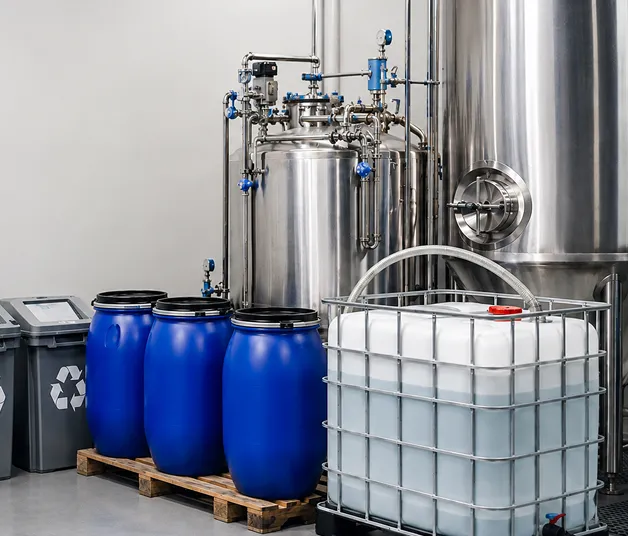
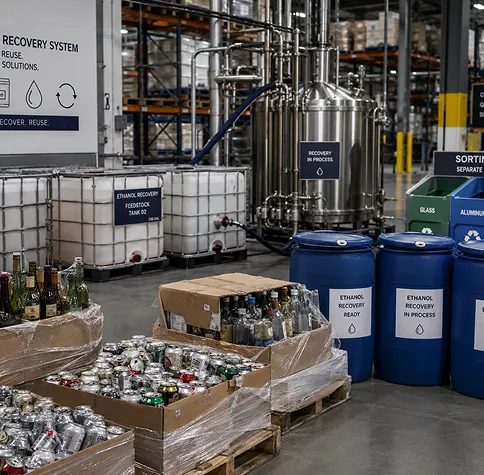
Ethanol Recovery and Reclamation Services

Responsible ethanol recycling, recovery, and disposal coordination for eligible ethanol-containing beverage and alcohol residuals.
BeverageDestruction.com helps commercial operators assess inventory, coordinate transportation and handling, and connect with specialized service providers through a network powered by Skip Shapiro Enterprises.
Beverage waste removal and disposal service
Full Beverage Containers Managed
0 B+
Companies Supported Across North America
0 +
Food and Beverage Processor Facilities
0 +

BBB A+

Accredited
Business

Nationwide Coordination

Beverage destruction chain of custody documentation

Ethanol Recycling for Eligible Beverage and Alcohol Residuals

BeverageDestruction.com helps businesses handle eligible ethanol-containing materials through coordinated recovery, reclamation, recycling, and disposal solutions.

We support manufacturers, distributors, retailers, importers, warehouses, and other commercial operators dealing with ethanol-containing inventory that is expired, off-spec, surplus, recalled, damaged, or otherwise unsuitable for sale or distribution.

Each project is evaluated based on material type, volume, packaging, composition, location, and documentation needs to help identify the most practical and responsible handling pathway.

Eligible Ethanol-Containing Materials

We manage alcohol-based beverages, sugar-based beverages, and bulk ethanol-containing inventory while helping companies evaluate acceptance requirements related to composition, packaging, volume, location, and receiving facility criteria.

Alcohol-Based Beverage Residuals

Support for alcohol-based beverage materials, including expired and out-of-spec alcoholic products, returned inventory, and other unsellable beverage-related products.

This may include packaged beer, wine, spirits, ready-to-drink beverages, and inventory requiring responsible handling.

Sugar-Based Beverage and Fermentation By-Products

Management solutions for sugar-based beverage residuals and fermentation materials generated during beverage production and processing.

Common materials may include off-spec liquid batches, surplus beverage ingredients, and other organic by-products associated with beverage manufacturing operations.

Bulk and Packaged Ethanol-Containing Inventory

Coordination support for bulk ethanol liquids and packaged products requiring recovery, recycling, reclamation, or disposal.

This may include tanker quantities, totes, drums, packaged beverages, and other materials managed outside standard distribution channels.

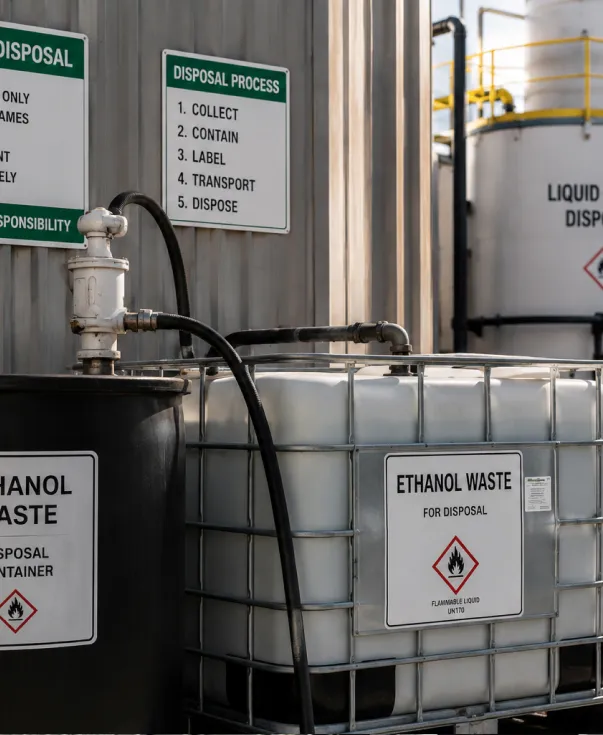
When Ethanol Disposal Is Needed Instead of Recovery

Not all ethanol-containing materials are suitable for recovery or reclamation. Depending on the material composition, contamination level, packaging type, alcohol content, regulatory status, and receiving facility requirements, some loads may require an ethanol or alcohol disposal pathway instead.

Materials requiring disposal include heavily contaminated products, mixed waste streams, non-conforming formulations, damaged packaged inventory, or other materials that cannot be accepted through standard recovery or recycling channels.

BeverageDestruction.com works with companies to evaluate each material individually and help determine the most appropriate handling solution based on operational, transportation, and facility acceptance considerations.
When Ethanol Disposal Is Needed Instead of Recovery​

How the Ethanol Recovery Process Works

BeverageDestruction.com develops tailored ethanol recovery, recycling, and disposal strategies for manufacturers, distributors, retailers, and other commercial operators through a structured five-step process.
step 1

Share Material Details

Clients share the details of their ethanol-containing materials with our team before receiving a recommended handling strategy or quote. Key information includes material composition, packaging type, volume, location, and whether transportation support is needed.
step 2

Review Composition and Packaging

Our team evaluates the liquid composition and packaging to determine whether ethanol recovery, reclamation, recycling, or disposal is the most appropriate pathway. Packaging materials such as aluminum, plastic/PET, and glass are commonly accepted within recycling programs.
step 3

Match to Recovery/ Disposal Pathway

Using the information provided, we identify the most practical handling solution for the material. This may include coordinating ethanol recovery, alcohol disposal, recycling, or other approved processing pathways based on facility capabilities and state-specific requirements.
step 4

Coordinate
Transportation

We work with clients to coordinate transportation and scheduling for both one-time projects and ongoing production-related needs. Our goal is to help minimize operational disruptions while ensuring materials are routed efficiently and responsibly.
step 5

Provide
Documentation

Clients receive documentation based on the selected handling pathway, which may include certificates of destruction, recycling, recovery, or other supporting records. This documentation helps support compliance, internal tracking, and audit preparation.

Unsure how to
handle the material?

We’ll review your volume, packaging, and location to identify a responsible handling pathway.

Recovery and Reclamation Pathways

With tailored strategies and coordinated support, businesses across the United States can safely manage eligible products through multiple handling pathways guided by the expertise of Skip Shapiro Enterprises.

Ethanol Recovery and Reclamation

Certain ethanol-containing materials may be processed through distillation, separation, or reclamation pathways designed to recover usable alcohol components for approved industrial applications.

Beneficial Reuse Opportunities

Some materials may qualify for beneficial reuse pathways that help divert eligible ethanol-containing products from disposal, including fuel-related applications, industrial reuse opportunities, or other approved downstream processes.

Fuel-Related and Industrial Reuse Pathways

Approved materials may be directed toward fuel-related applications, industrial recovery and recycling pathways, or other industrial reuse opportunities depending on alcohol content, composition, contamination levels, and processing capabilities.

Disposal Alternatives for Non-Recoverable Materials

When recovery or reclamation is not feasible, materials may require compliant disposal pathways based on facility acceptance requirements, regulatory considerations, and overall material condition.

Who We Help

BeverageDestruction.com partners with beverage manufacturers, distributors, processors, and brand owners to ensure every company across the supply chain has access to sustainable ethanol recycling, reclamation, and disposal solutions.
Alcoholic beverage industry destruction service
Alcohol Brands
Support for brand owners managing recalled, expired, off spec, or unsellable alcohol products requiring compliant ethanol recovery, recycling, or disposal pathways.
Alcoholic beverage destruction service provider
Food and Beverage Processors
Pathway coordination for fermentation by-products, sugar-based residuals, and other production-related materials generated through food and beverage processing operations.
Distributors & Warehousing Partners
Handling solutions for warehoused ethanol products affected by returns, damage, overstock, discontinued SKUs, or distribution-related issues.
Retailers and CPG brands
Beverage Manufacturers, Breweries, and Distilleries
Coordination support for ethanol-containing production residuals, packaged alcohol products, fermentation materials, and surplus inventory generated during beverage manufacturing operations.
Secure beverage destruction and shredding process

Documentation, Chain-of-Custody, and Responsible Handling

Transparency and accountability are central to every project we coordinate. BeverageDestruction.com helps clients maintain visibility throughout the handling process with clear communication, shipment tracking, and detailed documentation from pickup through final processing.

Depending on the material and selected pathway, documentation may include chain-of-custody records, shipment details, certificates of destruction or recovery, weight tickets, and other supporting records. Our team also helps support internal reporting, compliance tracking, and audit preparation for companies managing ethanol-containing materials at scale.

Pickup and Logistics Coordination

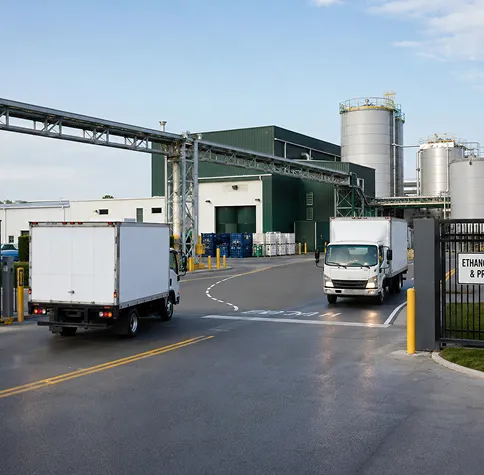
With our support, companies no longer must manage the complexities of ethanol recovery and disposal logistics alone. We help coordinate pickup scheduling, transportation, and documentation to keep materials moving efficiently from pickup through final handling.

Our network includes 200+ processor facilities supporting bulk liquids, totes, drums, pallets, packaged goods, LTL shipments, and full truckloads for both one-time projects and recurring pickup programs across the United States.
Environmentally responsible beverage destruction dispos

Related Beverage Recovery and Destruction Services

Beverage Destruction & Recycling

Secure beverage destruction and recycling coordination.

PET/Plastic Recycling for Bottling Industry

Plastic recovery solutions tied to beverage disposal.

Transportation & Logistics

Transportation coordination for beverage destruction projects.

Ethanol Recovery FAQs

Ethanol recovery is the process of evaluating eligible ethanol-containing materials and directing them toward the most appropriate recovery, reclamation, recycling, beneficial reuse, or disposal pathway. The selected solution depends on factors such as material composition, contamination levels, packaging, and receiving facility requirements.
Ethanol recovery focuses on reclaiming, recycling, or repurposing eligible ethanol-containing materials through approved recovery or beneficial reuse pathways. Ethanol disposal is used when recovery is not feasible due to contamination, formulation, packaging, regulatory considerations, or receiving facility acceptance requirements.
Potentially. Eligibility for ethanol recovery depends on factors such as product type, alcohol content, packaging, volume, location, contamination levels, and receiving facility or program requirements.
Yes. Eligible materials may include both bulk and packaged ethanol-containing products. Packaging formats may include tankers, totes, drums, cases, pallets, and other commercial shipment configurations.
Handling options depend on the specific characteristics of the material, transportation requirements, and receiving facility acceptance criteria. Commercial operators should share details about their ethanol-containing materials with our team so we can determine the most appropriate pathway.
Documentation may include shipment information, chain-of-custody records, processing documentation, weight tickets, and certificates of destruction or recovery where applicable. The exact records provided depend on the material, selected handling pathway, and receiving facility requirements.
Yes. BeverageDestruction.com provides pickup and logistics coordination for eligible commercial loads, including support for transportation scheduling, shipment coordination, and routing to appropriate recovery or disposal facilities. Learn more on our Transportation & Logistics page.
BeverageDestruction.com provides nationwide coordination for eligible ethanol recovery and disposal projects through the Skip Shapiro Enterprises network, which includes access to more than 200 processor facilities across the United States.

Need help evaluating an ethanol-containing load?

BeverageDestruction.com helps companies evaluate eligible ethanol-containing materials and coordinate the most appropriate recovery, recycling, reclamation, or disposal pathway. Powered by Skip Shapiro Enterprises, our nationwide network supports beverage, alcohol, and organic waste recovery projects across the United States.

To get started, share your material type, packaging format, volume, location, and timing requirements with our team.