Beer Disposal, Alcohol Recycling and Destruction — Done Properly

When beer, wine, spirits, hard seltzers, RTD cocktails, or other alcohol products can no longer be sold, the path forward requires more than a disposal call. It requires secure handling, documented chain of custody, clear recovery options, and a partner who understands the specific demands of commercial alcohol inventory.
BeverageDestruction.com helps alcoholic beverage brands, manufacturers, distributors, warehouses, and retailers manage expired, recalled, damaged, out-of-code, or unsaleable alcohol inventory — through destruction, recycling, logistics coordination, and documentation support. Powered by Skip Shapiro Enterprises.
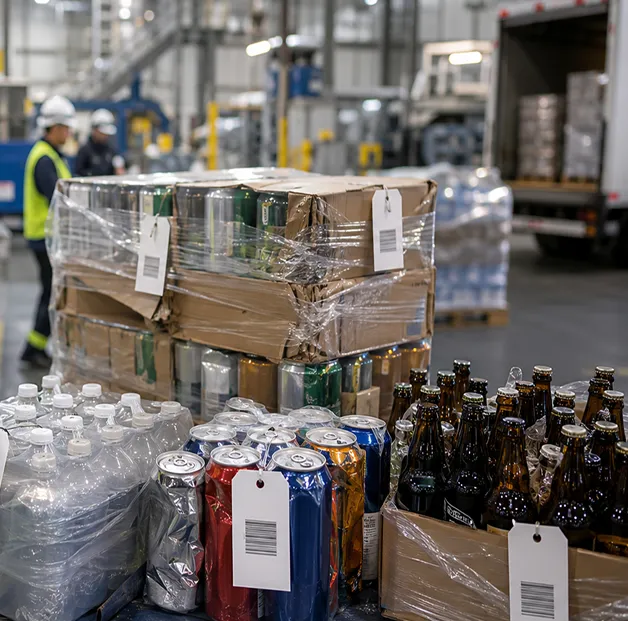
Warehouse beverage destruction and disposal process hero image

The Situations That Bring Alcohol Brands to Us

Commercial alcohol inventory becomes unsaleable for many reasons. The right disposal path depends on the product, the packaging, the reason for removal, and the documentation your team needs at the end. Here are the situations we handle most often.

Expired / Out-of-Code

Beer, wine, spirits, or RTD products that have passed their best-by or expiration date and can no longer be distributed or sold.

Damaged inventory

Cases, pallets, or bulk loads damaged in transit, storage, or at a distribution center — including broken glass, crushed cans, or compromised packaging.

Product recalls

Alcohol products subject to a voluntary or mandatory recall that must be removed from the market quickly, documented thoroughly, and destroyed securely.

Discontinued products

SKUs being retired — including label changes, brand consolidations, reformulations, or full product discontinuations that leave unsaleable inventory behind.

Seasonal and limited-run overstock

Seasonal releases, limited editions, or promotional products that did not sell through and cannot be held into the next cycle.

Returned inventory

Distributor or retailer returns that cannot be resold and need documented removal from the supply chain.

Packaging or labelling issues

Products with incorrect, out-of-compliance, or damaged labels that cannot legally or commercially move through normal distribution.

Surplus and overproduction

Excess inventory from overproduction, contract cancellations, or demand shifts that requires structured disposal rather than further storage costs.

One Process. Every Product Type. Full Documentation.

Commercial alcohol disposal is not a one-size-fits-all process. A pallet of expired craft beer, a batch of recalled spirits, and a warehouse of unsaleable RTD cocktails each require different handling.

BeverageDestruction.com coordinates alcohol disposal programs through the Skip Shapiro Enterprises processor network, matching each program to the right path.

What we handle

What you receive

What Alcohol Products and Packaging We Handle

Beer (domestic, craft, imported); wine (still, sparkling, fortified); spirits (whiskey, vodka, gin, rum, tequila, brandy); hard seltzers; ciders; ready-to-drink cocktails; canned cocktails; flavored malt beverages; alcohol-based kombucha

Bottles (glass, PET); cans (standard, tall boy, sleek); kegs (standard, slim, mini); cartons; pouches; multi-packs and variety packs; secondary packaging
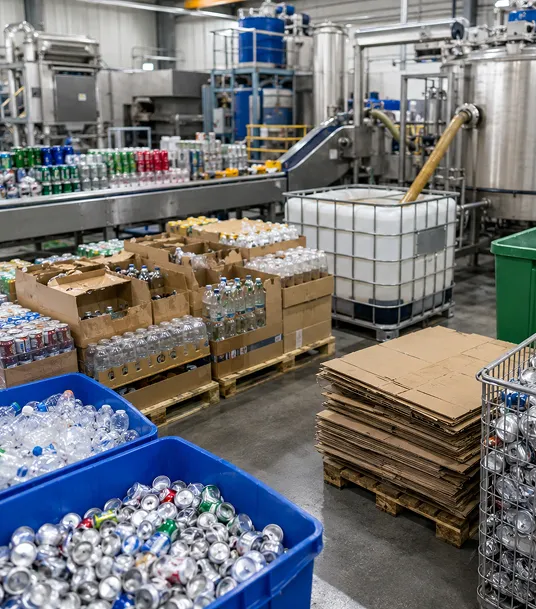
Cases; pallets; full pallet loads; mixed pallet loads; partial loads; LTL shipments; full truckloads; totes and drums where applicable
Compliant beverage destruction and disposal process

From First Contact to Final Documentation in Five Steps

The process is straightforward. Here is what to expect from first contact to final documentation.
step 1

Submit your product details

Tell us the product type, alcohol category, packaging format, approximate volume, location, and any timing or documentation requirements.
step 2

We confirm the program

Our team reviews the material and identifies the right destruction, recycling, or recovery pathway — along with logistics options and expected documentation outcomes.
step 3

We coordinate pickup or delivery ​

Whether it is a single pallet or a multi-site clearance, logistics are arranged through the Shapiro network. We handle coordination so your team does not have to.
step 4

Products are routed to the appropriate facility

Disposal of alcohol, depackaging, recycling, or recovery — each material is handled at a qualified processor facility within the network.
step 5

You receive your documentation

Pickup records, destruction confirmation, chain-of-custody tracking, and any applicable certificates are delivered at closeout.

Records Your Team Can Rely On — And Auditors Can Accept

For commercial alcohol inventory, documentation is not optional — it is part of the program. Whether you are managing a product recall, closing out a discontinued SKU, or clearing a warehouse, the records your team receives at the end matter. BeverageDestruction.com coordinates programs that produce clear, audit-friendly records.

If your program requires specific documentation formats or has regulatory context — such as a recall, compliance requirement, or audit preparation — tell us upfront. We will confirm what is available and structure the program accordingly.
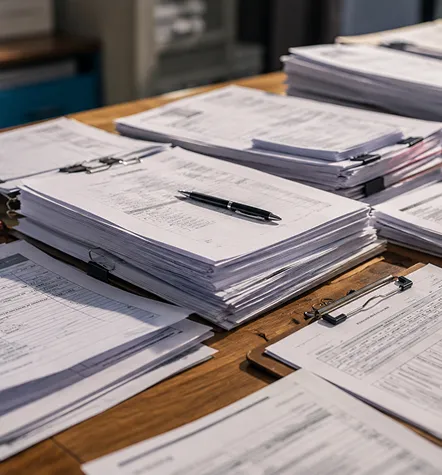
Chain of custody

Documented traceability from the point of collection through to destruction or recovery — so you know exactly where the inventory went and when.

Pickup and transfer records

Confirmed pickup, transport documentation, and handoff records that establish the start of the chain.

Destruction confirmation

Written confirmation that the product has been destroyed or processed, including the facility, date, and scope of the program.

Program closeout records

A complete set of records and certificates of destruction [VL1] at program close, aligned with the scope of the work and the documentation your team or auditors require.
Bulk beverage disposal and destruction solution

When Alcohol Has Recovery Value, We Find the Right Route

Not all alcohol inventory has to end at destruction. For example, certain alcohol-based and sugar-based beverage streams may be suitable for recovery or reclamation rather than straight disposal.

Common candidates include high-ABV spirits, wine and cider residuals, beer with recoverable sugar or alcohol content, and certain fermentation by-products. Whether a specific product qualifies depends on its condition, volume, and the processing options available at the time.

For programs where ethanol recovery or reclamation is a possibility, our team can evaluate the material and route it accordingly.

Pickup Coordination for Any Volume, Any Location

Coordinating the removal of alcohol inventory — especially across multiple locations, at volume, or under time pressure — adds operational burden that most teams would rather not carry. That is why alcoholic beverage logistics coordination is part of what BeverageDestruction.com manages, not something you arrange separately.

Single-site pickups

One-time collection from a single warehouse, distribution center, brewery, winery, or retail location — coordinated around your timeline.

Multi-site programs

Coordinated pickups across multiple locations, states, or facilities — useful for distributors, national brands, and 3PLs clearing inventory at scale.

Recall and urgent removals

Time-sensitive pickups for recalled products or urgent clearances where speed, documentation, and secure handling all matter.

Truckload and LTL support

Full truckload and less-than-truckload options for cased goods, palletized inventory, and bulk loads of varying sizes.

Glass, Aluminum, PET — Packaging That Shouldn't Go to Landfill

Alcohol packaging is rarely just one material. A single pallet might include glass bottles, aluminum cans, plastic carriers, cardboard cases, and shrink wrap — each with its own recovery route. A well-structured destruction program separates and routes each material type rather than sending everything to landfill.

Recovery of specific packaging materials depends on the load composition, contamination level, and processing options at the destination facility. We will confirm what is achievable for your specific program.

Glass

Bottles (wine, spirits, beer); glass jars; broken glass where safely managed

Aluminum

Standard cans; tall boys; sleek cans; crowlers; keg shells where applicable

Plastic & PET

PET bottles; plastic carriers; shrink wrap; pouches; plastic closures and caps

Fibre & other

Cardboard cases; OCC; cartons; paper labels; secondary packaging materials

Other Services We Offer

Beverage Destruction & Recycling

The core service for broader beverage destruction, full-container destruction, packaged beverage disposal, and beverage waste programs across all product types.

Ethanol Recovery & Reclamation

For eligible alcohol-based and sugar-based streams where recovery or reclamation may be possible and the material qualifies.

Transportation & Logistics

Pickup coordination, cased and palletized loads, multi-site programs, bulk shipments, and time-sensitive removals.

PET/Plastic Recycling for the Bottling Industry

Packaging recovery and plastic/PET recycling for beverage companies managing bottle and container streams.

Frequently Asked Questions about Beverage Destruction and Recycling

Commercial alcohol disposal is handled through specialist destruction and recycling programs rather than standard waste collection. The process typically involves coordinated pickup, transportation to a licensed processor facility, destruction or recovery of the liquid, and separation of packaging materials for recycling. Chain-of-custody documentation is produced throughout, giving businesses a clear audit trail from collection to completion.
Yes. Expired beer destruction is one of the most common programs we handle. Depending on the packaging format — cans, bottles, kegs, or bulk — the beer is depackaged, the liquid is routed to an appropriate disposal or recovery pathway, and the packaging materials are separated for recycling where feasible. Beer waste disposal programs can be arranged for single-site or multi-location clearances.
Yes. The Shapiro network handles the full range of commercial alcohol product types — beer, wine, spirits, hard seltzers, ciders, canned cocktails, flavored malt beverages, and RTD products. Accepted packaging formats include bottles, cans, kegs, cartons, and pouches. Volume requirements and available pathways vary by product type and location.
Yes — and this is specifically a commercial service for business inventory, not household disposal. Unopened, sealed alcohol products are frequently handled through destruction programs. Common reasons include expired best-by dates, labelling issues, discontinued SKUs, recall situations, and overstock. The product is handled securely and documented through the full chain of custody.
At program close, teams typically receive pickup and transfer records, chain-of-custody documentation, destruction confirmation, and a program summary. If a certificate of destruction is required, tell us upfront so the program is structured accordingly. Documentation scope is confirmed before work begins.
Certain alcohol-based beverage streams may be suitable for ethanol recovery or reclamation. This is evaluated on a case-by-case basis — we will give you an honest answer about what is realistic for your specific material.
Yes. Pickup coordination is part of the service, not a separate arrangement. Whether you have a single pallet of expired product or a multi-location clearance involving full truckloads, logistics are managed through the Shapiro network. We handle scheduling, transportation, and handoff documentation.
In many cases, yes. Alcohol packaging typically includes glass, aluminum, PET or plastic, cardboard, and secondary materials — each with its own recycling route. The recovery of specific materials depends on load composition, contamination, and available processing options.
Yes. Recalled products are among the most time-sensitive programs we handle. Speed, secure handling, and complete documentation are all essential in recall situations. Our team can coordinate rapid pickup, manage chain-of-custody records through the full process, and produce the destruction documentation that supports brand protection and regulatory compliance.

Ready to Clear Your Alcohol Inventory?

Whether you are dealing with expired product, a recall situation, discontinued inventory, or a warehouse clearance, BeverageDestruction.com can help route your program to the right destruction, recycling, or recovery pathway — with the documentation your team needs at the close.

Share the product type, alcohol category, packaging format, approximate volume, location, and any timing or documentation requirements. A member of the team — operating through Skip Shapiro Enterprises — will come back with a clear recommendation and next steps.