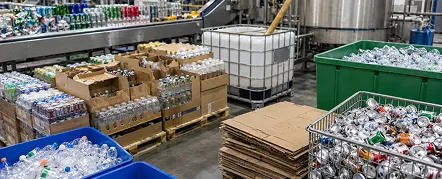
Beverage Destruction for Brands and Retailers

When a product can no longer be sold, the risk does not stop at the warehouse door. Recalled inventory, discontinued SKUs, labelling failures, seasonal returns — each one is a brand exposure waiting to happen if the removal is not properly closed out.

Beverage product destruction for brands requires more than a pickup. It requires a partner with the network, documentation standards, and operational depth to handle the program properly. That is what our team provides — powered by Skip Shapiro Enterprises, a company that has managed over one billion full beverage containers and built relationships with 200+ processor facilities across North America and beyond.
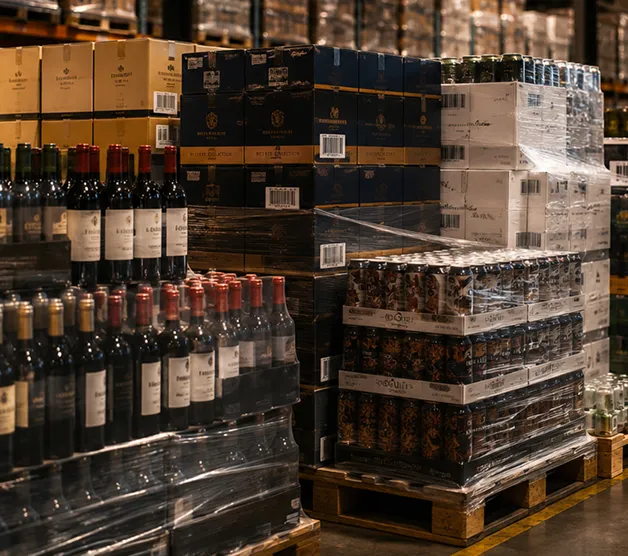
Beverage Destruction for Brands and Retailers​ Feature Image

When Beverage Products Should Not Re-Enter the Market

Commercial beverage inventory becomes unsaleable for many reasons. Each situation carries different urgency, needs, and consequences if handled poorly. These are the scenarios beverage brands and retailers most often bring to us.

Product recalls

Voluntary or mandatory recalled beverage products that must be removed from the market quickly, destroyed securely, and documented with a clear chain of custody.

Expired / Out-of-Code

Products past their best-by or expiration date that can no longer be distributed need proper beverage destruction and recycling programs. This is a common scenario for brands managing warehouse stock, retail clearances, or slow-moving seasonal lines.

Discontinued products

SKUs retired due to reformulation, brand consolidation, label changes, or market exit need structured removal — not indefinite storage.

Seasonal and limited-run overstock

A clear removal plan benefits seasonal releases, limited editions, and promotional SKUs that did not sell through and cannot carry into the next cycle.

Packaging or labelling issues

Products with incorrect, non-compliant, or damaged labels that cannot legally or commercially enter distribution should be removed before they create downstream liability.

Damaged inventory

Inventory with broken containers, compromised seals, or damaged packaging should be removed before they become a safety or liability concern.

Retailer beverage
returns

Products returned from retail channels, rejected at delivery, or pulled from shelves also call for documented removal from the supply chain.

Private label beverage products

Retailer or brand-owned private label beverage destruction programs handle proprietary products that must not re-enter commerce in any form.

Brand-Safe Handling for Unsaleable Beverage Products

When a product can no longer be sold, the risk does not stop at the warehouse door. Recalled inventory, discontinued SKUs, labelling failures, seasonal returns — each one is a brand exposure waiting to happen if the removal is not properly closed out.

Beverage product destruction for brands requires more than a pickup. It requires a partner with the network, documentation standards, and operational depth to handle the program properly. That is what our team provides — powered by Skip Shapiro Enterprises, a company that has managed over one billion full beverage containers and built relationships with 200+ processor facilities across North America and beyond.

Regulated beverage destruction compliance service

Preventing resale and grey-market leakage

Destroyed inventory cannot re-enter the market. Every program is handled with confidentiality and a documented close — so brands can confirm the product is gone.

Documented chain of custody

Traceability from the point of collection through to destruction or recovery — with records that show exactly where the product went, when, and how it was handled.

Reducing downstream liability

Controlled removal reduces the risk of recalled or off-spec beverage products reaching consumers through unintended channels — particularly in the alcoholic beverage industry, where regulatory exposure can compound quickly.

Supporting inventory write-offs and internal reporting

Detailed documentation and program summaries provide the evidence teams need for inventory write-offs, finance sign-off, and internal audit trails.

Beverage Products, Retail Loads and Everything in Between

We accept a wide range of commercial beverage products and packaging formats for beverage inventory removal for retailers and brand programs. Here are the most common formats we handle.

Product categories

Packaging formats

Load types

Multi-Location, Multi-Format, One Coordinated Program

Brand and retail inventory removal programs are rarely simple. Products may sit across multiple distribution centers, regional warehouses, or retail partner facilities. Retailer beverage returns may arrive in mixed condition from dozens of locations. Seasonal clearances may need to move within a tight window.

To ease things for you, we coordinate the transportation and logistics alongside the destruction or recovery program.

Retail returns programs

Coordinated removal of retailer beverage returns from store or distribution center level — with pickup, documentation, and destruction confirmation for each location.

Seasonal and promotional overstock

Clearance of seasonal beverage overstock that cannot carry into the next trading period.

Multi-location and DC inventory

Inventory is tracked and documented across all sites through a single coordinated program.

Brand partner and co-packer clearances

Beverage products held at co-packers, third-party warehouses, or brand partners that need to be retrieved, collected, and removed under a documented plan — without the product being resold or redirected.

Secure Destruction and Real Recovery, in The Same Program

Depending on the product type, packaging format, and condition of the material, beverage product destruction programs can include recovery and recycling alongside secure destruction — all within the same documented program.

Destruction and recycling paths

What your team receives

The Documentation That Closes the Loop for Every Team Involved

Brand and retail teams often need more than a pickup confirmation. Finance teams need evidence for inventory write-offs. Quality teams need destruction records to close a recall or quality hold. Sustainability teams need diversion data. Legal or compliance teams may need records that satisfy vendor agreements or regulatory requirements.

Our programs produce the documentation your team needs from step one.

Certificate of destruction

This document confirms the product was destroyed, including facility, date, and program scope — suitable for internal sign-off, vendor requirements, and audit purposes.

Chain-of-custody records

Documented traceability from the point of collection to destruction or recovery showing exactly where the product went and when.

Destruction records for recalls

For recalled products, full destruction records support brand team closeout, regulatory documentation, and communication with retail partners or distribution networks.

Inventory write-off and closeout documentation

Program summary records covering all inventory removed, materials handled, and recovery outcomes — formatted to support finance and operations team sign-off.

Related Services for Brand and Retail Inventory Programs

Most brand and retail programs draw on more than one service. Use the table below to identify which paths apply to your inventory situation.

Beverage Destruction & Recycling

Full-container, packaged, recalled, damaged, and unsaleable beverage products — secure destruction, recycling, and documentation.

Transportation & Logistics

Retail returns, multi-location pickup, DC clearances, truckload and LTL coordination for brand and retail inventory programs.

PET/Plastic Recycling for the Bottling Industry

PET and plastic-heavy brand loads, bottle recovery, and packaging material recycling programs.

Alcoholic Beverage Industry

Beer, wine, spirits, hard seltzers, and RTD alcohol products — including alcohol-specific handling, recycling, and documentation.

 FAQs

Discontinued beverage products and seasonal beverage overstock are among the most common programs we handle for brand teams. Whether it is a single SKU being retired or a full warehouse clearance after a missed season, we can structure a program that removes the inventory, produces the records, and closes the program cleanly.
Yes. Retailer beverage returns and expired shelf pulls can be coordinated through us — whether from a single retail location, a distribution center, or a multi-location returns program. Pickup, documentation, and destruction confirmation are all managed through the Shapiro network.
Controlled destruction ensures that unsaleable beverage inventory is permanently removed from all commercial channels with a documented record. This prevents grey-market resale, protects brand identity, reduces liability from products reaching consumers through unintended routes, and provides evidence for internal and external compliance purposes.
Recalled beverage products are handled as time-sensitive programs. Chain-of-custody documentation, pickup records, destruction confirmation, and program closeout records are all produced as part of the standard process. If a specific format or additional documentation is required, tell us before the program begins.
In many cases, yes. Packaging recovery — glass, aluminum, PET, and cardboard — can be incorporated into a beverage product destruction program where the material and load composition allow. What is achievable depends on contamination level and available processing options. We confirm the recovery scope before work begins.
Share the product category, brand or retail context, approximate volume, packaging format, location, reason for removal (expired, recalled, discontinued beverage products, damaged beverage inventory, returned, or overstock), and any documentation requirements.

Need to remove unsaleable beverage products without risking your brand?

Share your needs and a member of our team will come back with a clear program recommendation and next steps.

We support beverage destruction for brands and retailers across North America and beyond — from single-location clearances to national multi-site programs.